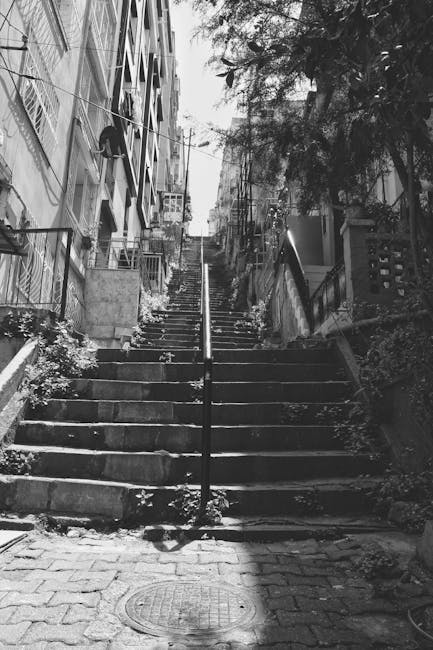
Narrow Stairs and Victorian Homes in Upminster: Solutions
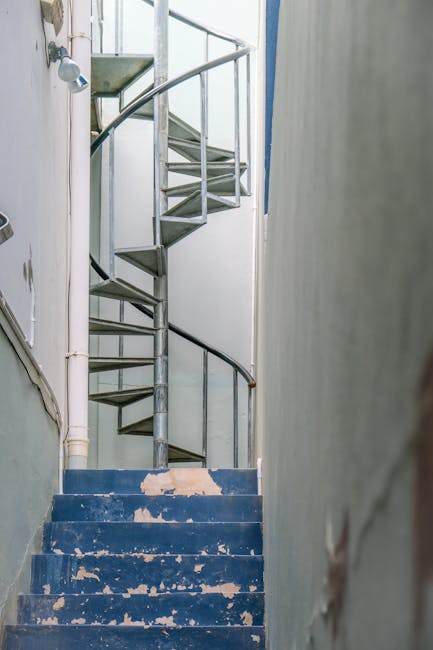
If you live in one of Upminster's older Victorian homes, you probably know the feeling: the front room looks generous, the staircase looks innocent enough, and then the sofa arrives. Suddenly the landing is tighter than expected, the banister seems to lean into the space, and every turn feels like a puzzle. That is exactly why Narrow Stairs and Victorian Homes in Upminster: Solutions matters. This guide breaks down the practical ways to move furniture, boxes, beds, and other awkward items through older properties without turning the day into a stress-fuelled shuffle. We'll cover the risks, the planning, the tools, and the little decisions that make the difference.
Why Narrow Stairs and Victorian Homes in Upminster: Solutions Matters
Victorian homes are loved for their character, high ceilings, sash windows, and proper proportions. The staircase, though, can be another story. It may be steep, curved, boxed in, or just plain awkward. Add narrow hallways, tight turns, low light, and older finishes that chip if you breathe on them too hard, and you have a moving environment that needs care.
In Upminster, this often shows up in everyday ways. A two-person lift that worked in a modern flat suddenly fails on the first bend of the stairs. A wardrobe that looked manageable downstairs becomes impossible on the landing. A mattress bends a little too much. A wall gets marked. Nothing dramatic, but enough to make an already busy day feel messy.
That is why the right solution is not simply "be stronger" or "try harder." It is about matching the property, the item, and the route. A good plan protects the home, reduces injury risk, and saves time. Truth be told, it can also save a bit of pride, because there is nothing like getting stuck halfway up the stairs to remind everyone that old houses do not care about your optimism.
Expert summary: The safest approach in a Victorian property is usually not brute force, but preparation: measure first, remove obstacles, protect surfaces, and choose the right moving method before anyone lifts a thing.
If you are preparing for a larger move, it also helps to think beyond the stairs themselves. A lot of the stress comes from poor packing, bad sequencing, and carrying too much in one go. Resources like a step-by-step approach to packing for relocation and premove decluttering tips that turn chaos into calm can make the whole process feel far more manageable.
How Narrow Stairs and Victorian Homes in Upminster: Solutions Works
The core idea is simple: reduce friction at every stage. That means fewer bulky items, cleaner routes, better grip, more controlled lifting, and less guesswork. In older homes, every inch matters. The staircase width, ceiling height, tread depth, banister position, and landing geometry all affect how an item moves.
Here's how the process usually works in practice:
- Assess the property - check stair width, headroom, turns, and any tight points near door frames or radiators.
- Measure items accurately - not just the width and height, but also protruding feet, handles, and corners.
- Plan the route - decide whether the item will go straight up, pivoted, lifted vertically, or dismantled first.
- Protect surfaces - use door protectors, floor coverings, and padding on bannisters or corners.
- Use the right team size - too few people creates strain; too many can create confusion. Funny how that works.
- Move in stages - take breaks at landings, reset grip, and communicate every step.
The best solution is often a blend of methods. For example, a sofa might need one arm removed, a bed base may need to be split, and a wardrobe might be carried in a different orientation than expected. If the item is especially awkward, specialist handling is often the safer call. That's one reason people look at dedicated services such as furniture removals in Upminster or, for properties with simpler access but still a bit of awkwardness, a man and van in Upminster.
Sometimes the issue is not the item alone, but the combination of item plus staircase. A grand piano, for example, is not just heavy; it is top-heavy, delicate, and unforgiving if tilted badly. That is why specialist reading like the debate on moving a piano professionally versus DIY is useful even if you are not moving a piano. The principle is the same: some jobs need more than enthusiasm.
Key Benefits and Practical Advantages
When you solve narrow-stair access properly, the benefits go beyond convenience. The move becomes tidier, safer, and less expensive in the long run because you avoid damage and avoid redoing work.
- Lower risk of property damage - Victorian plaster, woodwork, and paint finishes can mark easily.
- Less chance of injury - awkward lifting is where backs, shoulders, and wrists get punished.
- Faster loading and unloading - a clear method reduces stops, resets, and confusion.
- Better protection for furniture - items are less likely to scrape, twist, or buckle.
- Reduced stress on moving day - and let's face it, that matters just as much as the physical side.
There is also a psychological benefit. When a move feels organised, everything else calms down a little. You are not second-guessing whether the wardrobe will fit or whether the staircase wall will survive. You know the plan. That sense of control is underrated.
For people trying to keep the day moving smoothly, it often helps to pair access planning with better packing discipline. streamlining your house move for stress reduction is a good companion topic, because access problems are much easier to manage when the rest of the move is not chaotic.
Who This Is For and When It Makes Sense
This topic is especially relevant if you live in:
- a Victorian terrace or semi-detached home
- a converted older property with narrow internal access
- a flat above ground floor level with tight stairs
- a house with original features you want to preserve
- a home where the main issue is not distance, but movement inside the building
It also makes sense for people moving:
- large sofas or corner units
- beds and mattresses
- wardrobes, bookcases, and display cabinets
- white goods with awkward weight distribution
- fragile or high-value items that need careful handling
Students moving into older shared houses, families upgrading within Upminster, downsizers, landlords, and small businesses all face similar access issues. A boxy office chair might not seem like a problem until it catches on a landing and suddenly becomes one. Small items can be annoying too, especially when the staircase turns sharply and the person below can't quite see what's coming.
If you are moving out of a top-floor flat in an older building, it may be worth reviewing flat removals in Upminster as well as planning ahead for removals at Upminster Station and Emerson Park, because access and timing often go hand in hand.
Step-by-Step Guidance
Here is a practical way to handle narrow stairs in a Victorian home without overcomplicating it.
1. Walk the route before lifting anything
Start with the stairs, but do not stop there. Check the hallway, doorway widths, any hallway light fittings, the landing turn, and the final room entrance. A five-minute walk-through can prevent twenty minutes of head-scratching later.
2. Measure the item and the narrowest point
Measure the object at its widest point, including feet, arms, knobs, and packaging. Then measure the tightest point on the route. If the item is only just wider than the opening, you need a different strategy. You may need to remove feet, slide rather than lift, or dismantle the item in advance.
3. Clear the staircase completely
This sounds obvious, but it is easy to miss. Remove doormats, shoes, picture frames, and anything that creates an extra trip hazard. If the stairs are carpeted, check for loose edges that could catch underfoot.
4. Protect the building
Use padding on bannisters and corners. Lay floor protection where needed. Cover sharp edges on furniture that could scuff paint or chip plaster. In older homes, the finish can be fragile even if it looks robust.
5. Decide whether to dismantle
Many items should be broken down before they reach the stairs. Bed frames, wardrobes, and some tables often move more safely in smaller sections. If you are not sure whether an item should be dismantled, it is usually better to check first than to force it through and regret it halfway up.
6. Assign clear roles
One person leads, one follows, and one watches for obstacles if needed. Too much talking becomes noise. Too little becomes danger. The sweet spot is clear, simple instructions: stop, lift, turn, lower, reset.
7. Move slowly through the tightest bend
That is usually where damage happens. Rotate the item carefully, keep it close to the body where possible, and take the landing as a pause point rather than a race. If it starts to feel wrong, stop.
8. Re-check the room before placing the item
Older rooms can be smaller than they look from the doorway. Leave enough space for turning, angling, and lowering the item without scraping the walls on the final move-in.
For heavy lifting technique, it is worth studying guidance on lifting heavy objects without help and kinetic lifting principles. Even if you are working with a team, body mechanics still matter.
Expert Tips for Better Results
In real moves, the small details are the difference between smooth and scrappy. A few useful habits stand out.
- Use blankets before tape - tape directly on polished wood or painted surfaces can cause headaches later.
- Keep a spare pair of hands for doors - a door swinging at the wrong moment can ruin a clean move.
- Remove packaging early - oversized cardboard can make an object far harder to rotate on the stairs.
- Think in angles, not straight lines - sometimes the best route is a twist, not a push.
- Work in daylight where possible - Victorian stairwells can be shadowy even at midday.
- Have a "no rush" rule at the landing - if the landing feels tight, stop and reset rather than forcing the move.
A simple, slightly overlooked tip: wear shoes with good grip, not just "old trainers." Smooth soles on painted stair treads are a terrible combination. You do not need special gear for every move, but you do need sensible footwear. That sounds boring, maybe, but boring is good when stairs are involved.
If a large item has to be moved through a particularly awkward layout, it may be worth looking at the broader service menu in services overview and then matching the move type to the property rather than assuming one approach fits all.
Common Mistakes to Avoid
The same errors come up again and again in older homes. Avoid these and you already cut a lot of risk.
- Measuring only the front face of an item - protruding legs or handles are often the real problem.
- Forgetting the landing turn - many moves fail at the bend, not the staircase itself.
- Trying to save time by leaving items assembled - this often makes the move slower, not faster.
- Dragging instead of lifting - older floors and staircase edges rarely enjoy being dragged across.
- Overloading the team - one massive lift is not more efficient if it ends in a wobble.
- Ignoring wall protection - Victorian plaster can mark quicker than people expect.
- Leaving clutter on the route - one shoe, one bag, one cable... and suddenly someone is off balance.
Another subtle mistake is assuming the staircase is the only issue. In reality, the doorway into the room can be the awkward point, especially if the room is narrow or the angle from the landing is restrictive. You need the full journey, not just the stair flight.
Tools, Resources and Recommendations
You do not need a warehouse full of equipment. But a few practical tools help a lot.
- Furniture blankets for scratch protection
- Corner protectors for walls and bannisters
- Grip gloves for better handling
- Measuring tape for doors, stairs, and furniture dimensions
- Straps or tethers for controlled handling when appropriate
- Floor coverings to protect carpets and timber
- Labels and marker pens to keep dismantled parts organised
For the packing side of the job, packing and boxes in Upminster is useful if you want to keep the move tidy before it reaches the stairs. A well-packed box is easier to carry, less likely to burst, and much less annoying on the landing.
If you are moving larger household pieces, a specialist article like shifting a large armchair on Hornchurch Road can also give you a feel for the same kind of access challenge, just in a different setting. Different road, similar headache.
And if you need temporary storage because access timing is awkward, there is no shame in using storage in Upminster to break the move into calmer stages.
Law, Compliance, Standards, or Best Practice
For a home move, the main compliance issue is usually safety rather than paperwork. In the UK, the practical expectation is that anyone handling heavy items should work in a way that reduces the risk of injury and damage. That means sensible lifting, clear communication, proper load management, and not asking people to do more than is safe.
Landlords, tenants, and homeowners also have a shared interest in protecting the property. In a Victorian house, the condition of the staircase, walls, and balustrade can be part of the value of the home. So careful handling is not just polite. It is best practice.
In professional removals work, it is normal to consider risk assessment, access planning, insurance, and staff training. You do not need to quote regulations to know when a route is unsafe. If a lift feels unstable, if the item is too large for the stair geometry, or if the handling team cannot maintain control, the right answer is to pause and change the plan.
That may mean dismantling the item, using a different route, or scheduling a different service altogether. No drama. Just common sense.
Options, Methods, or Comparison Table
Different properties need different approaches. Here is a simple comparison of the most common methods.
| Method | Best for | Advantages | Limitations |
|---|---|---|---|
| Carry item assembled | Small or medium pieces with simple access | Quick, fewer parts to manage | Higher risk if the item is bulky or the staircase is tight |
| Dismantle before moving | Wardrobes, beds, larger tables | Easier turns, less strain, less damage risk | Needs time, tools, and careful reassembly |
| Use specialist handling | Heavy, fragile, or awkward items | Better control, safer for the property and item | May cost more than a simple DIY attempt |
| Move in stages | Older properties with landings or bends | Good control and frequent resets | Slower if not planned properly |
For many Victorian homes, the best answer is a combination. Dismantle when you can, carry when it is sensible, and use specialist help when the access is genuinely difficult. That is usually the honest answer, even if it is not the most glamorous one.
If you are weighing up whether to do it yourself or bring in help, the local service pages for removals in Upminster and removal services in Upminster can help you think in practical terms about the size and complexity of the job.
Case Study or Real-World Example
Here is a realistic example from the kind of move people often face in Upminster.
A couple moving into a Victorian terrace had a three-seat sofa, a double bed frame, and several heavy boxes. The staircase was narrow and turned sharply near the top. The sofa looked as though it might fit, but only if it moved at a very specific angle. Instead of trying to force it through, the team measured the width of the staircase, removed the sofa feet, protected the wall corners, and sent one person ahead on the landing to guide the turn.
The bed frame was dismantled first. The heavier box items were split into smaller loads, and the heaviest boxes were carried separately rather than stacked up in one go. Nothing particularly flashy. No magic trick. Just method.
The result was simple: no wall scuffs, no chipped woodwork, no frantic last-minute reshuffling. The move took longer than a reckless attempt would have taken for the first ten minutes, but much less time overall than a damaged, stalled, or unsafe one. And, to be fair, everyone left the house looking a bit less grey around the edges.
If the move had involved a single especially difficult item, such as a heavy chair or piano, the team might have chosen a dedicated option like piano removals in Upminster or a more general specialist approach. Sometimes the property decides the method for you.
Practical Checklist
Use this before moving day. It keeps things grounded.
- Measure the staircase, landing, and key doorways
- Measure every bulky item at its widest point
- Check whether items can be dismantled safely
- Clear the stairs, hallway, and landing
- Protect walls, floors, corners, and bannisters
- Assign one lead person to give instructions
- Keep tools, tape, and blankets ready
- Wear sensible footwear with grip
- Move slowly through tight bends and turns
- Use storage if timing or access is getting in the way
- Review packing quality before carrying heavy boxes
- Pause and reset if a lift feels unstable
If you are still early in the process, a quick read through effective strategies for cleaning your house before moving can help you prepare rooms before furniture starts coming in and out. Cleaner rooms are easier to protect, simple as that.
And if the whole move feels packed, tired, or a bit last-minute, what to expect from urgent same-day removals in Upminster is worth a look. Sometimes speed matters, but speed still needs structure.
Conclusion
Narrow stairs in Victorian homes are not a flaw to be ashamed of; they are part of the character of older housing. But they do demand respect. The safest, smoothest moves happen when the access challenge is treated as a planning issue, not a strength contest. Measure properly, dismantle when needed, protect the property, and choose the right moving method for the job.
In Upminster, where many homes still carry that older architectural feel, this approach can make a huge difference. It helps protect your home, your furniture, and your back. It also turns what could be a tense day into something more orderly and far less exhausting. Which, honestly, is what most people really want.
Get a free quote today and see how much you can save.
When the route is narrow and the stairs are Victorian, a calm plan always wins. One careful lift at a time, that's the way through.
Frequently Asked Questions
How do you move furniture up narrow Victorian stairs safely?
Start with measuring, then remove anything that can be dismantled, protect the walls and bannisters, and use a slow, controlled lift with clear communication. If the item catches on the landing turn, stop and reset rather than forcing it.
What is the biggest problem with Victorian homes and moving day?
The biggest issue is usually the combination of narrow stairs, tight landings, and older finishes that mark easily. It is rarely just one thing; it is the whole route from front door to final room.
Should I dismantle furniture before moving it upstairs?
Yes, if the item was designed to come apart safely. Beds, wardrobes, and some tables often move much better in sections. Dismantling can save time, reduce damage, and make the stairs far easier to manage.
Can a sofa fit up a narrow staircase in an older house?
Sometimes, yes, but it depends on the sofa dimensions and the landing geometry. Remove feet if possible, wrap sharp corners, and check whether the sofa can be angled through the bend without forcing it.
Is it better to use a professional removal team for Victorian properties?
For many older homes, yes. A professional team brings planning, lifting technique, and experience with awkward access. If the item is heavy, fragile, or expensive to replace, the safer choice is often professional help.
What should I measure before moving anything through narrow stairs?
Measure the staircase width, the tightest turn, the landing, the doorway into the room, and the item itself at its widest point. Do not forget handles, feet, or packaging, because those are often the bits that catch.
How can I protect walls and bannisters during a move?
Use padding, blankets, or other protective coverings on any point of contact. Keep the route clear so nobody brushes against walls unnecessarily, and avoid turning in a rush. Older plaster and paint can mark very quickly.
What items are most likely to cause problems?
Sofas, wardrobes, bed frames, mattresses, pianos, large mirrors, and bulky boxes are the usual suspects. Heavy items that are also awkward to grip are the ones most likely to catch on the stairs.
Are same-day removals a good idea for tight-access houses?
They can be, but only if the move is well organised and the access issue has already been assessed. If you are under time pressure, extra planning matters even more, because rushed decisions on stairs tend to go badly.
What if my furniture gets stuck on the stairs?
Stop immediately. Do not pull harder out of frustration. Reassess the angle, remove any obstruction, and decide whether the item needs to be rotated, lowered, or dismantled further. A stuck item is a sign to change the plan, not to fight the staircase.
Do I need specialist equipment for narrow stairs?
Not always, but tools such as blankets, straps, grip gloves, and corner protection can make a real difference. The right equipment depends on the item, the staircase, and how much protection the property needs.
How do I make a Victorian house move less stressful?
Pack carefully, declutter before moving, keep the route clear, and separate the move into stages. Simple preparation reduces a lot of the friction. For many people, that is the difference between a chaotic day and a manageable one.