Shifting a Large Armchair on Hornchurch Road: Expert Tips
Posted on 02/06/2026
Moving a large armchair sounds simple until you're standing in the hallway, trying to angle it past a bannister, a tight front door, and a bit of Hornchurch Road traffic outside. That's usually when the real work begins. If you're shifting a large armchair on Hornchurch Road, the job is less about brute force and more about planning, control, and knowing when to stop and reassess. In other words: the chair is heavy, the route may be awkward, and one rushed move can turn into a scratched wall, a strained back, or a very annoyed afternoon.
This guide breaks the process down clearly. You'll learn how to assess the chair, prepare the route, use the right handling techniques, and decide when professional furniture removals make more sense. It's written for real-life moving situations, not perfect ones. You know-the kind with tight corners, low light, and that one awkward bit of flooring that always seems to catch. Let's make it manageable.
Why Shifting a Large Armchair on Hornchurch Road: Expert Tips Matters
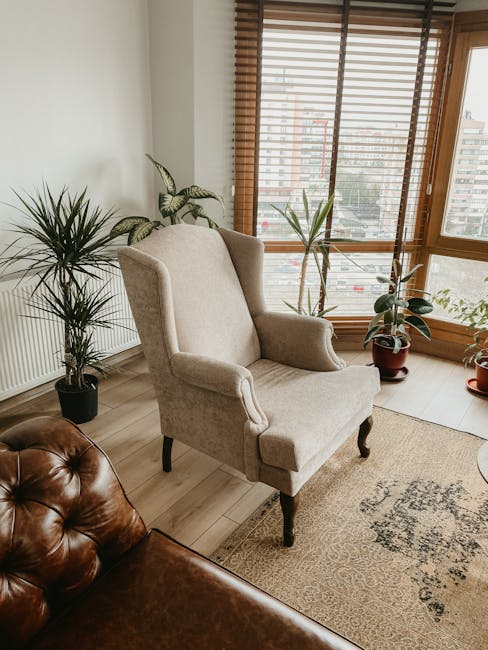
A large armchair is not just another item of furniture. It is bulky, awkward to grip, and often heavier than it looks. A high-backed recliner, a wing chair, or a deep cushioned chair can be difficult to turn through standard UK doorways and stairwells. On a road like Hornchurch Road, the challenge can grow because parking, access, and loading space may be limited. That means the move itself can become a logistics problem, not just a lifting problem.
Why does that matter? Because furniture moves are where damage tends to happen fast. A small scrape to a painted wall, a trapped finger, or a badly timed lift can cause more stress than the item is worth. Truth be told, a lot of chair-moving mishaps happen because someone assumes it will be a quick carry. It rarely is.
There is also a comfort factor. If the armchair is going into a new flat, house, or storage space, you want it to arrive in the same condition it left. That is especially true for upholstered chairs, which can pick up dirt, scuffs, and snagging very easily. If you are also planning broader moving tasks, it may help to read about reducing moving-day stress and decluttering before the move, because those two steps make everything else feel less chaotic.
How Shifting a Large Armchair on Hornchurch Road: Expert Tips Works
The process is usually straightforward once you break it into stages. First, you assess the chair and the route. Then you remove anything that makes it harder to handle, such as cushions, throws, detachable feet, or side tables in the way. After that, you protect the chair and the property, choose the best lifting method, and move slowly with clear communication if more than one person is involved.
In practical terms, shifting a large armchair is about controlling three things:
- Weight distribution - knowing where the heaviest part is before you lift.
- Clearance - making sure the chair can pass through doors, turns, and hallways.
- Surface protection - keeping both the upholstery and your home free from marks and tears.
A useful rule of thumb is to treat the armchair as if it is larger than it first appears. That might sound obvious, but furniture tends to "grow" once it's at a doorway. One minute it looks manageable; the next minute you are wondering how it got wedged at such a weird angle. The solution is to plan the angles in advance.
If you want a broader moving process behind that single item, a step-by-step approach from packing for relocation can help you think through the sequence of a moving day rather than tackling each object in isolation.
Key Benefits and Practical Advantages
Done properly, a careful armchair move saves time, money, and a fair bit of frustration. It also helps you stay in control of the rest of the day.
- Less risk of injury: A controlled lift reduces strain on the back, shoulders, and knees.
- Lower chance of damage: Protective wrapping and route planning prevent scuffs to walls, flooring, and the chair itself.
- Better time management: A measured move is often faster than repeated stop-start attempts when the chair gets stuck.
- More confidence in tight access: Hornchurch Road homes can have narrow staircases, compact entrances, or awkward parking arrangements.
- Cleaner finish: Upholstery stays cleaner when handled with care and not dragged through dust or grit.
There's also a quieter benefit people don't always mention: peace of mind. When you know the chair is being handled properly, the whole day feels less tense. You're not second-guessing every doorway or bracing for the sound of something scraping. That matters, especially if you're moving other large household items too.
For heavier household pieces, you may also find it helpful to review lifting heavy objects without help and kinetic lifting principles, since the body mechanics are similar even when the shape changes.
Who This Is For and When It Makes Sense
This guidance is for anyone dealing with a large armchair in a real-world moving situation. That includes homeowners, tenants in flats, landlords clearing a property, students moving into furnished accommodation, and anyone helping a relative who has a favourite chair that is somehow both sentimental and extremely awkward.
It makes sense to use these tips when:
- the chair is too large for one person to carry safely;
- the route includes stairs, corners, or narrow hallways;
- the chair needs to be protected from rain, mud, or dust;
- you're moving near busy roadside access and need to load quickly;
- the item is valuable, fragile, or part of a matching suite.
Sometimes the better question is not "Can I move this?" but "Should I move this myself?" That's especially relevant if the chair is oversized, has a solid frame, or includes recliner mechanisms. If the answer is uncertain, a service like furniture removals support is often worth considering. And if you're juggling a fuller move, removals support in Upminster can make the job less fragmented.
Step-by-Step Guidance
1. Measure the chair and the route
Start with dimensions. Measure the height, width, and depth of the armchair, then compare that to the narrowest point on the route: the front door, hallway bend, stair landing, or lift. Do not guess. Guessing is how chairs get turned sideways in a doorway while someone mutters, "It should fit, surely."
Also check whether the chair has removable parts. Some armchairs have detachable legs, removable cushions, or loose covers. Even shaving off a few centimetres can make a difference. Small win, but an important one.
2. Clear the pathway
Remove mats, ornaments, shoes, bins, coat stands, and anything else that could trip you or catch on the fabric. Open internal doors fully and secure them so they do not swing back mid-carry. If you are moving from a flat or maisonette, keep the route clean and dry from the front door right through to the vehicle.
If the move is part of a bigger household job, a quick tidy before furniture movement can really help. Cleaning before moving is not just about presentation; it helps remove dust and debris that can scratch flooring or dirty the chair.
3. Protect the armchair and the property
Use furniture blankets, thick wrapping, or stretch wrap where appropriate. Focus on corners, armrests, and the base. Upholstery can snag surprisingly easily on stair rails or door handles. If the chair is leather or delicate fabric, keep the wrapping breathable enough to avoid trapping moisture for long periods.
Floor protection matters too. Hard floors can be scratched by a chair base, and carpets can catch on feet or castors. If the route is especially tight, consider a temporary runner or protective covering. Nothing glamorous there, just practical.
4. Choose the lift method
For two people, the most reliable method is usually a controlled side carry, keeping the chair as balanced as possible and communicating before every turn. For one person, a smaller chair may be tipped slightly and slid on a furniture blanket, but that depends on the weight and base design. Do not drag a chair across the floor unless you're comfortable with the risk to both floor and furniture.
If the chair is especially heavy, ask yourself a blunt question: would it be safer to bring in a second pair of hands or a removal van crew? A short delay is cheaper than an injury.
5. Move slowly through doors and corners
This is where patience pays off. Rotate the chair gradually, leading with the narrowest edge, and communicate clearly. One person should call the movement. The other follows. No improvising halfway through a staircase turn. That's where little accidents happen, usually with a dramatic scrape.
6. Load the vehicle safely
Once outside, place the armchair upright if possible and secure it so it cannot shift in transit. Use straps, blankets, or padding between items. If you are loading into a removal van, keep the chair away from hard edges and heavier objects that could compress it.
If you're still building your moving kit, a practical reference like moving heavy items safely can give you a useful foundation for handling strategy, not just brute strength.
Expert Tips for Better Results
The big improvement usually comes from small decisions made early. Here are the ones that make the most difference in the real world.
- Lift from the strongest structural points: Support the base or frame, not the loose arms or decorative sections.
- Wear proper footwear: Trainers with grip are much safer than socks or slippery soles.
- Keep one person in charge: Mixed instructions cause hesitations, and hesitation is where bumps happen.
- Use the chair's shape to your advantage: A tall back or narrow side may help the item turn more easily through a doorway.
- Pad awkward contact points: A folded blanket at the edge of a bannister can save a lot of grief.
- Check parking and kerb space first: If the van cannot stop safely nearby, the whole lift becomes harder.
One practical thing people overlook: time of day. Early morning or late evening can affect visibility, traffic flow, and how busy the road feels. On a busy stretch like Hornchurch Road, a calmer loading window often makes everything smoother. Less rushing, fewer crossed wires.
And if you're moving the armchair alongside a sofa or bed, it can help to think about furniture handling as a cluster rather than a series of separate surprises. Related guidance on sofa preservation and storage care and relocating a bed and mattress is useful because the same protective habits carry over.
Common Mistakes to Avoid
A lot of armchair damage is preventable. The mistake usually isn't lack of effort; it's moving too quickly or assuming the job is simpler than it is.
- Forcing the chair through a gap: If it does not fit cleanly, stop and reassess the angle.
- Skipping measurements: A chair may clear the door frame but still fail at the stair turn.
- Dragging it unprotected: This can damage both upholstery and floors in seconds.
- Using the wrong grip: Grabbing soft arms or loose cushioning increases the chance of tearing.
- Moving without a plan for loading: If the vehicle is not ready, the item sits exposed outside.
- Ignoring weather: Rain on fabric or wet flooring makes handling less safe.
There's also the classic mistake of underestimating fatigue. You may feel fine at the start, then five minutes later your shoulders are tight and your concentration dips. That's when people do the silly little risky thing, often with a "just one more push." Best not.
Tools, Resources and Recommendations
You do not need a warehouse full of equipment to move a large armchair safely. But a few basics make the process much easier.
| Tool or item | Why it helps | Best use |
|---|---|---|
| Furniture blankets | Protect upholstery and hard surfaces | Wrapping corners, arms, and base edges |
| Stretch wrap | Keeps loose parts together | Securing cushions or removable elements |
| Gloves with grip | Improves handling and control | Carrying through narrow spaces |
| Dolly or sack truck | Helps with short-distance transport | Flat access and suitable surfaces |
| Floor protectors | Reduces scratching and scuffing | Hallways, stair edges, and loading zones |
For broader moving support, you may also want to look at packing and boxes in Upminster if you are preparing accessories, cushions, or small furniture items at the same time. If the move is part of a larger property clearance, storage options in Upminster can be useful when space is tight or the destination is not ready yet.
And yes, the right vehicle matters. A well-sized removal van makes loading safer because you are not forcing furniture into an ill-suited space. That sounds obvious, but you would be surprised how often it gets overlooked.
Law, Compliance, Standards, or Best Practice
For a household move, there is usually no special legal process for moving a large armchair. Still, safe working practices matter. In the UK, people helping with lifting and carrying should take reasonable care to avoid harm, and anyone arranging a move should think about manual handling, access, and load stability. That is true whether you're a homeowner or helping a relative with a local move.
Best practice here means sensible preparation, safe lifting posture, suitable footwear, and avoiding unnecessary strain. If the chair is being moved by a business or a paid helper, it is also normal to expect proper insurance, risk awareness, and clear handling procedures. That does not need to be overcomplicated. It just needs to be done properly.
It's also worth remembering that blocks of flats, shared entrances, and some residential streets can require extra care around access and parking. If you are working in a tighter local area, browsing guidance such as routes, parking and access advice for RM14 or moving tips for tight streets can help you think through the practical side before lifting starts.
If you are using a removals team, it is reasonable to check their approach to safety and liability. Pages like insurance and safety and health and safety policy are useful because they tell you what standards the business expects to follow. That's the sort of detail that quietly matters on moving day.
Options, Methods, or Comparison Table
There is more than one way to move a large armchair. The best choice depends on weight, access, distance, and whether you are on your own or have help.
| Method | Best for | Pros | Cons |
|---|---|---|---|
| Two-person carry | Most medium-to-heavy armchairs | Balanced, controlled, safer on stairs | Needs coordination and a second person |
| One-person careful carry | Smaller or lighter armchairs | Flexible and quick | Higher strain, less control on tight turns |
| Blanket slide | Short moves on suitable surfaces | Reduces lifting | Risk to floors if done badly |
| Dolly-assisted move | Flat access and open routes | Efficient over longer distances | Not ideal on stairs or uneven ground |
| Professional furniture removal | Oversized, valuable, or awkward chairs | Lower risk, better handling, faster setup | May cost more than DIY |
To be fair, the "best" method often changes once you see the route in person. A chair that looked simple in the lounge may become a different beast at the staircase. That is why the route matters as much as the furniture.
Case Study or Real-World Example
Imagine a wide armchair being moved from a house near Hornchurch Road into a first-floor flat nearby. The chair is comfortable, fabric-covered, and just heavy enough to make a one-person lift awkward. At first glance, the team assumes the hallway is the main problem. But once they measure the route, they notice the real pinch point is the turn from the porch into the entrance corridor.
The solution is simple but effective. The cushions are removed. The chair legs are checked for looseness. The route is cleared of shoes and mats. Two people take the chair from the base and back frame, turning it slowly and pausing before the narrow bend. Outside, the chair is wrapped, loaded into a van, and strapped in so it cannot slide. No drama, no damage.
The important bit? The move worked because they treated it like a process, not a scramble. That's the lesson most people only learn after one difficult attempt. You don't need perfection. You do need a plan.
Practical Checklist
Before you start, run through this checklist. It saves time and cuts down on second-guessing.
- Measure the chair and the narrowest parts of the route.
- Remove cushions, loose covers, and detachable legs if possible.
- Clear the hallway, porch, and loading area.
- Protect floors, corners, and the chair's edges.
- Choose the correct lifting method and number of helpers.
- Wear supportive footwear and grip-friendly gloves.
- Check the van space and parking position before lifting.
- Keep the chair upright and stable while loading.
- Secure the chair with blankets or straps in transit.
- Double-check the destination access before arrival.
Expert summary: The safest armchair move is usually the one that looks a little slower at the start. Measure first, clear the route, protect the surfaces, and only then lift. That extra five minutes pays for itself.
Conclusion
Shifting a large armchair on Hornchurch Road is absolutely manageable when you approach it with care, not panic. Measure properly, think through the route, protect the chair, and choose the right lifting method for the space in front of you. That's the heart of it. Simple on paper, a bit more fiddly in real life, but still very doable.
If the chair is especially heavy, the access is awkward, or you are already juggling a bigger house move, there is no shame in bringing in help. That's often the calmer option, and often the smarter one too. The job gets done cleanly, and you keep your energy for the rest of the day.
Get a free quote today and see how much you can save.
And if you're the kind of person who likes a move to feel organised rather than chaotic, take a breath. Slow is smooth, smooth is safe, and safe is what you want when the armchair is bigger than it looks.