Van loading bays & parking suspensions in RM14
Posted on 29/07/2026
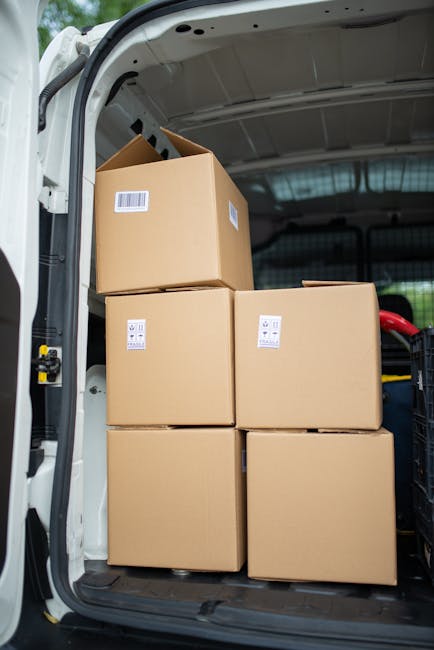
If you are planning a move, delivery, or bulky item drop-off in RM14, the last thing you want is a van circling the block while you try to figure out where to stop. That is exactly where van loading bays and parking suspensions in RM14 become useful. Done well, they save time, reduce stress, and make the whole day feel far less chaotic. Done badly, they can lead to awkward delays, frustrated neighbours, and a move that starts on the back foot.
This guide walks through how loading bays and parking suspensions work in practical terms, what to look out for in RM14, and how to plan a smoother move around Upminster, Hornchurch Road, station areas, and the tighter residential streets nearby. You will also find a simple checklist, a comparison table, and a few hard-won tips from the sort of moving day where the kettle is still in a box and somebody has misplaced the keys. Happens more often than people admit.
- Why it matters
- How it works
- Key benefits and practical advantages
- Who needs this and when it makes sense
- Step-by-step guidance
- Expert tips for better results
- Common mistakes to avoid
- Tools, resources and recommendations
- Law, compliance, standards and best practice
- Options and comparison table
- Case study
- Practical checklist
- Conclusion
- Frequently asked questions
Why Van loading bays & parking suspensions in RM14 Matters
RM14 includes a mix of residential streets, busier approach roads, estate layouts, and places where kerb space is at a premium. That matters because removal vans do not behave like normal cars. They need space to stop safely, load quickly, and avoid blocking traffic or forcing a long carry from the pavement. A good loading bay or a properly arranged parking suspension can be the difference between a calm handover and a messy scramble.
For moves in the Upminster area, access is often the hidden complication. A property may look straightforward on a map, but the practical reality can be different once you factor in parked cars, narrow turning space, a neighbour's driveway, or a shared access road. If you have ever stood on the pavement with a sofa and realised the van is two streets away, you already know the feeling. Not ideal.
Parking suspensions matter for another reason too: they reduce uncertainty. If a bay is reserved or a section of road is temporarily suspended, your vehicle has a clearer place to stop. That helps with timing, keeps the load team efficient, and gives you a cleaner plan for collection or delivery. In busy parts of RM14, that planning can save a surprising amount of time.
Local moving guides such as the RM14 routes, parking and access guide and the Havering permit requirements article are especially useful if you are trying to understand the wider access picture before moving day.
How Van loading bays & parking suspensions in RM14 Works
In simple terms, a loading bay is a marked area where loading and unloading is usually permitted for a limited period. A parking suspension is when a section of parking space is temporarily taken out of normal use so something else can happen there, such as a move, works, or access for a larger vehicle. The exact arrangement depends on location and the conditions attached to it, so the detail matters.
For a removal van, the ideal setup is a space close enough to the property for efficient carrying, but legal and practical enough that the vehicle can park without causing problems. In real life, that often means checking whether:
- the road has a marked loading bay
- the bay is time-limited or loading-only
- a suspension is in place for your date and time
- the space is long enough for the van you are using
- there is still room for doors, ramps, and safe movement around the vehicle
That last point is easy to overlook. A bay can look big enough until the rear doors are open and someone is wrestling a wardrobe panel out at an angle. Then suddenly it feels much smaller.
For RM14 moves, a sensible approach is to plan the space first and the packing second. If access is awkward, use extra protection and efficient packing so less time is spent shuttling items back and forth. If you need practical packing support, this packing guide for relocation is a solid companion read, especially for people trying to keep the day organised.
A parking suspension is often most useful when you know the vehicle will need to remain close to the property for a substantial loading window. That is common with flats, family homes with heavier furniture, office moves, and multi-drop van work. The logic is straightforward: preserve the space, reduce waiting, and keep the access route clean.
Key Benefits and Practical Advantages
There is a temptation to treat bay access as a minor detail. It really is not. In moving work, the little details are the ones that either save your morning or eat it alive. Here are the main benefits of planning loading bays and parking suspensions properly in RM14.
1. Faster loading and unloading
The closer the van is to the entrance, the faster the job usually goes. That reduces repeated lifting, shortens carry distance, and keeps the rhythm of the move intact. A smooth loading day has a kind of quiet momentum to it. You can feel it.
2. Less physical strain
Every extra metre matters when you are carrying boxes, a mattress, or a heavy dresser. The reduced walking distance can lower fatigue, which is especially important later in the day. For anyone handling larger items, it also improves safety. If you are moving awkward pieces, it is worth reading the guide to lifting heavy objects without help and the kinetic lifting guide before you start.
3. Better timekeeping
When the vehicle has a clear place to stop, the move tends to stay on schedule. That matters if you have lift access booked, neighbours expecting a quiet load window, or another appointment later in the day. It also reduces that awful "just five more minutes" drift that can turn into an hour.
4. Fewer access conflicts
A reserved or suspended space can help prevent disputes with residents, traders, or delivery drivers. No one likes arriving to find their planned stop taken. A suspension, when arranged properly, gives the operation a bit more certainty.
5. Lower stress on the day
This one sounds soft, but it is real. A clear parking plan removes one of the biggest unknowns from moving day. Once the vehicle is positioned, everything else feels more manageable. The house still has to be emptied, yes, but at least the van is where it needs to be.
Who This Is For and When It Makes Sense
Not every move in RM14 will need a loading bay or parking suspension. Some will be fine with a short roadside stop and a sensible arrival time. Others will absolutely benefit from pre-planned access. Knowing which camp you are in saves a lot of guesswork.
This is especially useful for:
- house moves where furniture is being loaded from the front door
- flat removals with restricted street parking
- office moves where equipment needs a direct handover point
- student moves with lots of boxes but little time
- same-day removals where speed matters more than almost anything else
If you are moving into or out of a flat, the access puzzle gets trickier. In that case, it is worth looking at flat removals in Upminster and the broader solutions for narrow stairs and older homes, because parking and internal access often go hand in hand.
Parking suspensions also make sense where the road is narrow, the property sits on a busier route, or a van would otherwise need to wait with hazard lights on while everyone makes up their mind. To be fair, nobody enjoys that. Not the residents, not the driver, and not the person carrying a lamp stand down the pavement in drizzle.
For same-day jobs, the logic becomes even stronger. If time is tight, the less friction at the kerbside, the better. A good overview of urgent move planning can be found in this same-day removals article.
Step-by-Step Guidance
If you want the short version, it goes like this: check access early, choose the right vehicle stop point, keep your timing tight, and make sure the loading area is actually usable on the day. The longer version is below.
- Assess the property and street layout. Look at where the van can realistically stop, not where it would be nice to stop. Consider turning room, one-way restrictions, nearby junctions, and any resident-only parking patterns.
- Decide whether a loading bay is enough. If the loading bay is legal for your vehicle and long enough for the actual work, great. If not, you may need a suspension or a different access plan.
- Check loading time limits. Some bays are fine only for short loading periods. If your move is bulky or you have multiple flights of stairs, you will need to factor in extra time.
- Plan the carrying route. The path from door to van matters. Watch for steps, gates, uneven paving, and parked cars that narrow the route.
- Protect the load and the property. Use blankets, wraps, and decent box packing so items survive the journey. For this, sofa preservation and storage tips can be handy if your move includes upholstered furniture.
- Build in a small buffer. A ten-minute delay is normal. A forty-minute delay because the only available space was blocked by a delivery lorry is less normal, but it does happen.
- Confirm the plan the day before. People forget. Drivers get rerouted. Weather changes. A quick final check is cheap insurance.
One practical point people miss: if you are moving a mattress, bed frame, or bulky sofa, the van position should support the item rather than just the van itself. In other words, where the vehicle stops should match the shape and size of what is leaving the property. For difficult bedroom moves, this bed and mattress relocation guide is worth a look.
And yes, if you are cleaning or decluttering before the move, do that earlier rather than later. It sounds obvious, but the number of people still dusting skirting boards while the van is idling outside is, well, higher than it should be. A good refresher is the house-cleaning-before-moving guide and the pre-move decluttering article.
Expert Tips for Better Results
Here is where the real-world stuff matters. A loading bay is only useful if the move is organised around it. These are the sorts of details that make the difference.
- Use the earliest practical slot. Early starts usually mean fewer parked cars, less traffic, and a better chance of getting the bay you planned for.
- Keep first-load items near the exit. If the van is close, make the first few trips efficient. Don't bury the important items under a pile of "we'll need that later" boxes.
- Separate fragile and bulky items. A loading bay does not fix poor packing. It just makes poor packing happen faster.
- Match the van size to the access. Bigger is not always better. Sometimes a slightly smaller van is easier to position in RM14 streets with tighter kerbside conditions.
- Keep doors, paths, and gates clear. One open gate or awkwardly placed wheelie bin can slow everything down more than you would expect.
- Use a spotter when reversing or unloading. Simple, but still one of the best habits around. If you have ever heard the awful scrape of a wing mirror, you know why.
Expert summary: The best RM14 loading plans are rarely the fanciest ones. They are the ones that reduce walking distance, avoid unnecessary parking conflict, and keep the van in a legal, obvious position from the first box to the last.
It also helps to think about the whole journey, not just the kerbside moment. If your move involves stairs, multiple stops, or a large item such as a piano, use the right specialist support rather than improvising. The local piano guide on professional versus DIY piano moving is a useful reminder that some loads should not be treated casually.
![View from inside a warehouse or storage facility looking out through an open roller shutter door towards an outdoor loading area with a white moving truck parked on a paved surface. The truck's rear doors are closed, displaying contact details and size specifications. Inside the warehouse, various cardboard boxes, plastic-wrapped items, and packing materials are stacked and scattered near the entrance, indicating ongoing packing or furniture transport activities. A trolley and other moving equipment are positioned near the doorway, emphasizing preparation for customer house removals or home relocation tasks. The scene depicts a professional moving process being carried out by [COMPANY_NAME], focusing on loading furniture and boxes into the truck, with a subtle connection to removals, packing, and transport logistics in the context of house moving services. Natural daylight illuminates the scene outside, contrasting with the darker interior.](/pub/blogphoto/van-loading-bays-parking-suspensions-in-rm142.jpg)
Common Mistakes to Avoid
Most parking problems are avoidable. That is the frustrating bit. They are usually not mysterious; they are just under-planned.
- Leaving access planning until the morning of the move. By then, everyone is already busy and the best options may be gone.
- Assuming a loading bay is automatically usable. It may have time restrictions, size limits, or local conditions attached.
- Forgetting the width of the van with doors open. People often measure the vehicle itself and ignore the working space around it.
- Not factoring in delays from neighbours, traffic, or school-run periods. RM14 is not always still, especially at certain times of day.
- Underpacking fragile items. A smooth parking plan will not protect a poorly wrapped mirror. Sadly.
- Parking too far away to be efficient. This turns a tidy move into a relay race, which no one requested.
There is also a common mindset mistake: people over-focus on avoiding a ticket and under-focus on making the move actually work. Both matter, but the real goal is a safe, efficient collection or delivery. That balance is what matters in practice.
If you are worried about damage or disputed handling on moving day, it is worth reading the damage claims guide for Upminster moves and making sure expectations are clear before anything is lifted.
Tools, Resources and Recommendations
You do not need a huge amount of kit to manage a loading bay move well, but a few simple tools make the day easier. Here is the practical shortlist.
- Furniture blankets and straps: reduce knocks and keep loads secure.
- Trolleys or sack trucks: especially helpful for box-heavy moves and office equipment.
- Door and floor protection: useful in narrow entrances and older properties.
- Clear labels: save time when items come off the van in a hurry.
- Phone notes with access details: surprisingly helpful when the day gets busy.
For broader move planning, the most useful supporting pages are often the ones that help you with everything around the parking issue: the services overview, packing and boxes in Upminster, and removals in Upminster. They help you connect parking, packing, and scheduling into one sensible plan.
If the move is more about furniture than a full household job, the furniture removals page can also be helpful for thinking through item size, handling, and access needs. Simple enough, but useful.
For anyone trying to keep stress down, this is not just a parking problem, it is a systems problem. The best support article for that mindset is probably the house move stress reduction guide. It is a good reminder that good logistics usually feel boring on the day, and that is exactly what you want.
Law, Compliance, Standards and Best Practice
Parking suspensions and loading bay use sit within local parking controls, so you should always treat them as location-specific rather than assuming a generic rule applies everywhere. In plain English: the sign, the bay markings, and the local arrangement are what matter. Not memory, and not guesswork.
For RM14 moving work, best practice is to confirm the space is lawful for loading before you rely on it. That means checking the restrictions carefully, especially where a suspension has been arranged or where loading is only allowed for a set period. If you are arranging the move yourself, build in enough time to read the conditions rather than treating the kerb as an empty blank canvas. It is not one.
Good moving practice also includes safe lifting, proper manual handling, clear communication with the van team, and not overloading the vehicle or the carry route. The health and safety basics matter here, and they are even more important when the route includes stairs, uneven paving, or a narrow doorway. For a plain-language reminder of safer handling, the heavy lifting guide and the kinetic lifting article are both worth a read.
If there is any uncertainty about permissions, insurance, or what is included in your service, it is sensible to review the company's insurance and safety information and health and safety policy. That does not replace local parking checks, of course, but it does help you understand how the move will be handled.
And while it is not glamorous, sustainability matters too. Efficient parking usually means less idling, fewer wasted journeys, and less disruption. If that is important to you, the recycling and sustainability page offers a useful perspective on how a move can be handled more thoughtfully.
Options, Methods, or Comparison Table
Not every move needs the same access strategy. Some are fine with roadside loading; others work better with a reserved bay or temporary suspension. The right choice depends on the property, vehicle, timing, and how much you are moving.
| Option | Best for | Strengths | Limitations |
|---|---|---|---|
| Standard roadside loading | Short, simple moves with easy access | Quick to arrange, flexible, low admin | Less predictable, may be blocked by other vehicles |
| Marked loading bay | Properties near controlled parking areas | Clear stopping point, usually convenient | May have time limits or restrictions |
| Parking suspension | Moves needing a dedicated space close to the property | Most reliable access, reduces conflict | Needs advance planning and may not suit last-minute changes |
| Smaller vehicle with closer positioning | Tight streets and awkward layouts | Easier manoeuvring, sometimes more practical | May require more trips if the load is large |
There is no perfect answer for every address in RM14. A compact van with a legal stop close to the entrance can beat a larger vehicle parked too far away. Equally, a reserved bay can be fantastic if the move is substantial and the timing is controlled. Good planning is usually more valuable than trying to "make do" on the day.
Case Study or Real-World Example
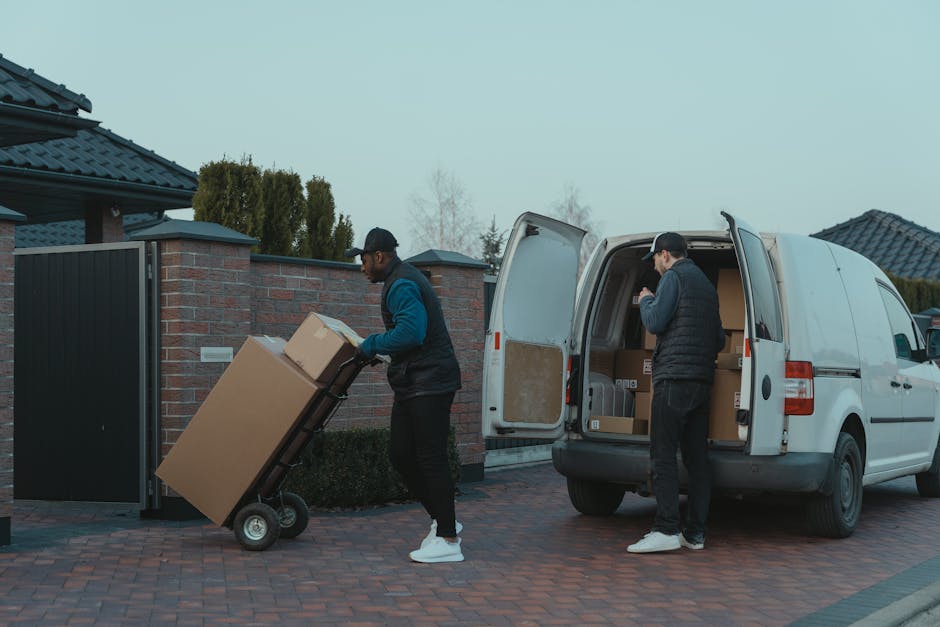
A common RM14 scenario goes like this: a household move from a terraced property with limited driveway space and on-street parking that fills quickly. The family has a sofa, a bed frame, several boxes of books, and one large chest of drawers that was definitely heavier than it looked in the bedroom. The van cannot simply park wherever it likes, because the street narrows and other residents still need access.
In that kind of move, the best outcome usually comes from a simple sequence. First, confirm the nearest practical loading point. Second, keep the first wave of items ready by the door. Third, protect the access route with floor coverings and careful carrying. Fourth, keep the loading time window tight so the vehicle is not sitting there longer than needed. Nothing magical. Just orderly.
What changed the outcome in one very similar move was not brute force, but preparation. The boxes were labelled, the heavier furniture had been disassembled where possible, and the van stopped as close as the street allowed. That meant fewer trips, less stress on the stairs, and fewer chances for something to be nudged against a wall. The move still had its moment - there is always one, usually involving a door that sticks - but the access side was under control.
That is the real lesson with van loading bays and parking suspensions in RM14: the smoother the curbside plan, the more energy you can put into the actual move itself.
Practical Checklist
Use this checklist before moving day. It is simple, but it covers the bits people forget when they are busy packing the last mug.
- Confirm the move date, time, and exact address
- Check whether roadside loading, a loading bay, or a suspension is the best option
- Measure the likely van stop point against the property entrance
- Review street width, turning room, and nearby parked vehicles
- Make sure key furniture is protected and ready to load first
- Label boxes clearly so unloading stays efficient
- Keep stairways, hallways, and paths clear
- Plan a sensible arrival window to reduce traffic pressure
- Have contact details ready in case access conditions change
- Check insurance, safety, and any relevant move conditions in advance
One-line reminder: if the access plan feels vague, it probably needs another look.
And if the move is part of a broader life reset, a bit of decluttering first can make everything else lighter. Literally and mentally.
Get a free quote today and see how much you can save.
Conclusion
Van loading bays and parking suspensions in RM14 are not just admin details. They are the foundation of a smoother move. When the van can stop legally, safely, and close to the property, everything else becomes easier: the lifting, the timing, the protection of your furniture, and the general mood of the day. That is the real win.
If you are moving soon, the best next step is to think about access before you think about boxes. Once the parking plan is clear, the rest tends to fall into place much more naturally. And honestly, that's a relief when you are already juggling keys, labels, and a growing pile of cardboard.
For many RM14 moves, a little planning at the kerbside makes the whole day feel lighter. That is worth doing properly.